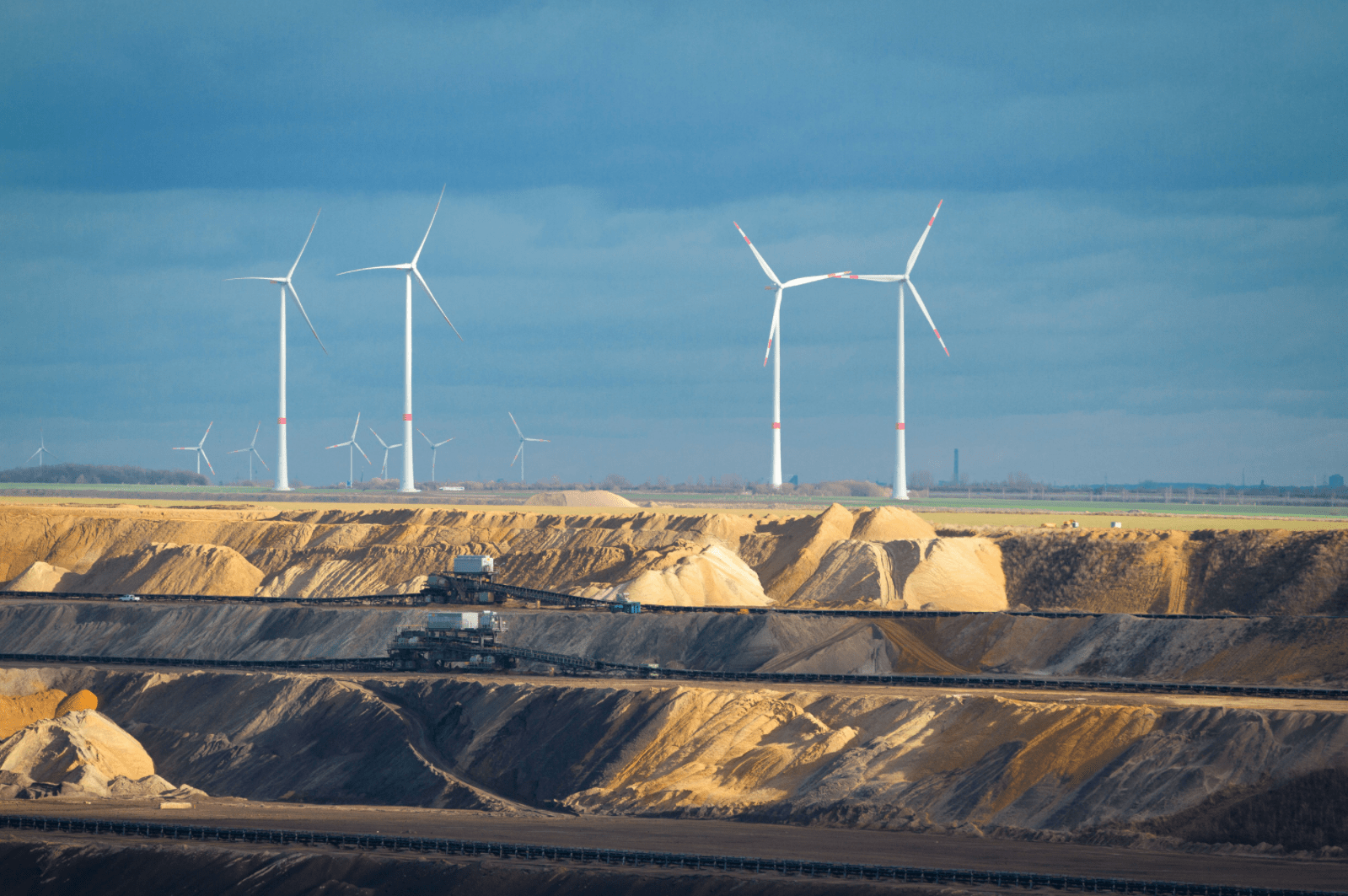
MechANisms and actors of Feasible Energy Transitions: MANIFEST will develop a new scientific understanding of the feasibility to decarbonize the electricity sector focusing on both launching low-carbon electricity in developing countries and sustaining the growth of renewable electricity already in place in front-runner countries.
Technologies needed to decarbonize the electricity system are already commercially available. And there are mathematical models of how these technologies can be deployed sufficiently fast and at a large enough scale to displace fossil fuels and meet climate targets. Yet there is no scientific method to evaluate whether these scenarios are feasible in the real world, given the socio-political and technological constraints in different countries and regions.
The main scholarly approach to assess whether something is feasible in the real world is to look at whether anything similar happened in the past. But for climate change this runs into a problem because both the challenge and what we need to do are unprecedented so there are no direct historical analogues. Thus, analysing the feasibility of successful climate change mitigation may scientifically seem to be at a dead end. I overcome this stalemate by looking at the past and ongoing climate actions through a particular social science lens called ‘causal mechanisms’.
My hypothesis is that while a lot of things are changing (e.g. clean technologies are becoming cheaper, population and energy demand grow), the political, economic and social mechanisms that shape our capacity to act on climate are the same. By understanding these mechanisms through empirically observing the past we hope to be able to predict what is and is not possible to do in the future.
MANIFEST is led by Jessica Jewell.
This project has received funding from the European Research Council (ERC) under the European Union’s Horizon 2020 research and innovation programme (Starting Grant agreement No. 950408).
Jewell, J., Cherp, A., Geels, F., Suzuki, M., Nacke, L., Tosun, J., Bhowmik, S., Kazlou, T., Jakhmola, A., Vinichenko, V.
Nature Reviews Earth & Environment (accepted)
Charalampidis, I., Vrontisi, Z., Fragkiadakis Z., Nacke, L., Jewell, J.
Energy Policy, 208, 114892
Kazlou, T., Cherp, A., Jewell, J.
Nature Climate Change, 14, 1047–1055
Suzuki, M., Jewell, J., Cherp, A.
Energy Research & Social Science, 106
Nacke, L., Vinichenko, V., Cherp, A., Jakhmola, A., Jewell, J.
Nature Communications, 15 3742
Vinichenko, V., Jewell, J., Jacobsson, J., Cherp, A.
Environmental Research Letters, 18
Jewell, J., Cherp, A.
WIREs Climate Change, 14(5)
Vinichenko, V., Vetier, M., Jewell, J., Nacke, L., Cherp, A.
Environmental Research Letters,18 014031
Hyun, M., Cherp, A., Jewell, J., Kim, Y. J., Eom, J.
Renewable and Sustainable Energy Transition
Camargo, L. R., Castro, G., Gruber, K., Jewell, J., Klingler, M.
Nature Communications, Article number: 3157 (2022)
Jewell, J., Kazlou, T.
Nature Climate Change volume 14, pages1022–1023
Vetier, M., Vinichenko, V., Jewell, J., Pavlenko, A., Cherp, A.
SSRN preprint
Bhowmik, S., Cherp, A., Vinichenko, V., Nacke L.
Vetier, M., Pavlenko, A., Jewell, J., Cherp, A., Vinichenko, V.
Nacke, L., Jewell, J., Cherp, A., Vinichenko, V., Bhowmik, S., Jakhmola, A.






 Energy Technology and Policy Group